Modi’s party targets youth with biker jacket clips, rap tracks and Friends-themed campaign videos
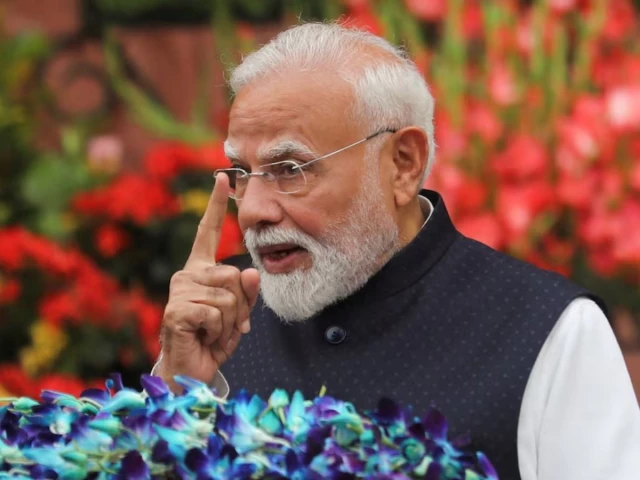
Indian Prime Minister Narendra Modi gestures as he addresses the press upon his arrival to attend the first day of the monsoon session of parliament in New Delhi, India, July 20, 2026. REUTERS
Indian Prime Minister Narendra Modi took to Instagram recently with selfie-style videos shot after hours in a bid to win over young voters following Gen-Z protests that highlighted growing frustration over a lack of job and education opportunities.
From clips showing the prime minister in a biker jacket and sunglasses against a rap soundtrack, to others that borrow the theme song from the sitcom Friends to signal his dependability, the messaging of Modi’s party has pivoted towards the young.
A vertically shot clip posted on July 31 featuring Modi uttering a casual greeting, “Hi, friends” was the latest in his digital charm offensive that aims to win over 400 million Gen-Z voters ahead of general elections in 2029.
“They are platforms where you broadcast a well-rehearsed and disciplined political message to millions of followers in a top-down manner,” said Delhi-based political columnist Asim Ali.
The pivot to youth-focused social media follows protests last month that led to the resignation of the education minister after tens of thousands of students and job seekers took to the streets.
The outcry was triggered by a leaked examination paper in a country where such tests are seen as opening the gates to professional careers and eventual financial security.
Minister, government departments issue clips
Modi’s videos have spurred cabinet ministers and government departments to issue a stream of short, lightly edited clips online over the past 10 days, with the foreign ministry becoming the latest on Thursday, saying it will take to Snapchat.
Since sweeping to power in 2014, Modi has been credited with transforming political communication in India, using digital platforms to build a direct connection with voters.
Analysts say his ruling Bharatiya Janata Party also developed a highly effective communications network across television news channels and social media platforms such as WhatsApp and X.
But platforms such as Instagram reward spontaneity, humour and authenticity over tightly scripted messaging, said Ali.
Amit Malviya, the BJP’s social media chief, declined to comment and queries sent to four national party spokespersons went unanswered.
The party is also stepping up efforts beyond social media, with plans for an address on Thursday to about 2,000 students in the financial capital of Mumbai by Mohan Bhagwat, the chief of its ideological parent, the Rashtriya Swayamsevak Sangh.
That represents one of the parent group’s biggest efforts to engage with the Gen-Z young.
Read More: Meta apologises to India for restricting PM Modi’s post
At a cabinet meeting after the protests, Modi urged ministers to be more active on platforms popular with the young and make sure their videos appeared less polished.
“Earlier, there were a lot more static posts tailored to X or Facebook,” said a member of the communications team of a BJP minister, speaking on condition of anonymity.
“But now the ask is for more reels, preferably with minimal editing, and some rawness.”
Posters of Gen-Z pledges
Posters proclaiming, “I am Gen Z” have sprung up across Mumbai, bearing pledges attributed to Gen Z, from promises to respect the police, the army and Modi, as well as support students.
It is unclear if the strategy will succeed, however.
“The internet has its own language and culture,” said author and podcaster Anurag Minus Verma.
“Serious political messaging, packaged as reels, can still be trolled. There will be more focus on Instagram, but it remains to be seen if Gen Z buys into that.”