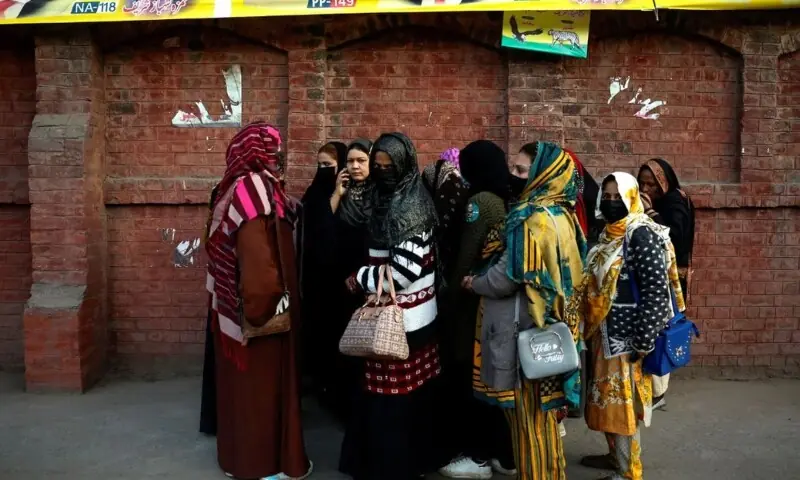
WHEN Pakistan assumed the chairmanship of the OIC Ministerial Conference on Women this week, it did so while confronting uncomfortable realities of its own. Only recently, the World Economic Forum ranked Pakistan 148th out of 148 countries in its Global Gender Gap Report, underscoring how much work remains to ensure women enjoy equal opportunities in education, employment and public life.
That sobering backdrop lent added significance to repeated calls in Islamabad for the Organisation of Islamic Cooperation to move beyond declarations and deliver tangible progress. Senate Chairman Yousaf Raza Gilani’s proposal for measurable targets on girls’ education, women’s leadership, workforce participation and protection against gender-based violence was among the conference’s most constructive outcomes. The OIC has, after all, endorsed women’s empowerment on numerous occasions. The challenge has not been a lack of commitments; it has been the failure to translate them into meaningful change.
Across parts of the Muslim world, women continue to face barriers that limit not only their own potential but also the prospects of their societies. Afghanistan remains the clearest example, where girls continue to be denied access to secondary schools and universities despite repeated international appeals.
Elsewhere, conflict has displaced millions of women and children, while economic hardship has further restricted access to education, healthcare and employment. Expanding educational opportunities, improving financial inclusion and ensuring women participate fully in economic and public life are not merely matters of social justice; they are prerequisites for sustainable development. States that fail to harness the talents of half their population limit their own growth and resilience.
Pakistan’s commitments must therefore be judged by results rather than intentions. Constitutional guarantees of equality and the government’s pledges of legal and institutional reforms are welcome, but implementation remains uneven. Millions of children remain out of school, with girls disproportionately affected in many rural and disadvantaged communities, while female participation in the labour force remains amongst the lowest globally. Laws protecting women have little value if enforcement is weak or access to justice remains beyond the reach of those who need it most.
Pakistan’s leadership of the OIC conference presents an opportunity to champion a more accountable approach across the Muslim world. Instead of another cycle of worthy resolutions, member states should agree on practical benchmarks, regularly report progress and share successful policies that improve women’s lives. The measure of this conference will not be the strength of its communiqués or speeches, but whether more girls complete their education, more women enter positions of leadership, and more families benefit from the opportunities that empowerment can bring.
Published in Dawn, July 15th, 2026