US-Canada tariffs emerge as an election issue in border states ahead of Tuesday’s midterms
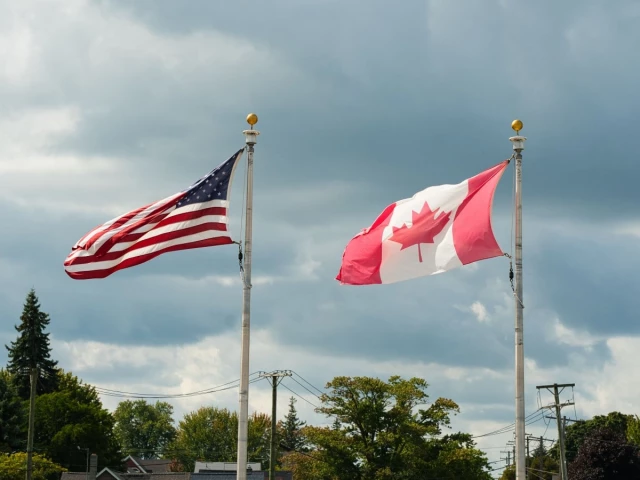
Trump and Canadian Prime Minister Mark Carney said on Sunday they had spoken about a trade deal. PHOTO: PEXELS
President Donald Trump said on Tuesday the United States was close to making a trade deal with Canada.
“Canada is very good, we’re going to make a deal with Canada very soon. We’re going to make a great deal,” Trump said in an interview with Fox News.
Canada and the United States have slapped billions of dollars in tariffs on each other in recent months. The imposition of tariffs on Canada has emerged as an issue in some northern US border states like Michigan and Maine before US midterm elections on Tuesday.
Trump and Canadian Prime Minister Mark Carney said on Sunday they had spoken about a trade deal, which the US president said would be “great for our farmers”.
Carney said on X: “Our teams will now be working in the coming weeks to deliver that outcome.”
Good conversation with President @realDonaldTrump on the future of Canada-U.S. trade.
This builds on our recent constructive discussions on the outlines of a mutually beneficial trade deal that would create jobs for our workers, boost affordability for families, and fully…
— Mark Carney (@MarkJCarney) November 1, 2026
Carney and Trump had discussed the framework of a new bilateral trade agreement in a series of phone calls, signalling a possible breakthrough in resolving a months-long cross-border trade dispute.
Trump had also emphasised that the arrangement would dismantle Canadian agricultural trade barriers, asserting that “our farmers were paying tremendous tariffs to send things to Canada”, reaching up to 400% on dairy items.
“All those tariffs will be gone. There will be no tariff,” he maintained.
Outlining key provisions of the emerging accord, Trump said Ottawa agreed to finance the cross-border Keystone oil pipeline system connecting Canada and the US.
“They’re going to build the Keystone Pipeline. They’re going to pay for it,” he noted, adding that Washington had largely determined the pipeline’s transit route.