Price of petrol reaches Rs380.24, while diesel rises to Rs409.42 per litre under daily pricing mechanism
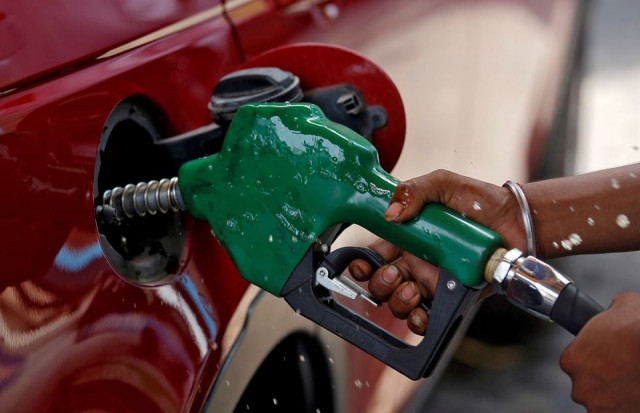
A picture showing a petrol pump. — FILE PHOTO
The federal government on Monday increased the price of petrol and high-speed diesel (HSD) by Rs4.42 and Rs6.10 per litre, respectively, for September 15.
According to a notification issued by the Petroleum Division, the price of petrol was fixed at Rs380.24 per litre, while HSD would cost Rs409.42 per litre for Tuesday.
The latest revision comes after the government increased the price of petrol and HSD by Rs5.02 and Rs5.28 per litre, respectively, from September 12 to September 14.
Read: Govt increases petrol price by Rs5.02, HSD by Rs5.28 per litre
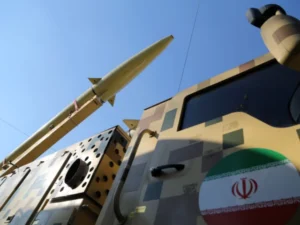
On July 17, the government announced a new pricing mechanism under which petroleum product prices would be reviewed and notified on a daily basis, replacing the weekly pricing mechanism, as renewed tensions between the United States and Iran continued to drive volatility in global oil markets and raise concerns over fuel supplies.
Prime Minister Shehbaz Sharif on Sunday announced a special relief scheme offering Rs100 per litre off petrol for motorcycles, three-wheeler rickshaws, and cars up to 800cc engine, in an attempt to shield lower-income consumers from the impact of sharply rising petroleum prices.
“In this hour of difficulty, we will not leave the public alone. To alleviate the burden of rising oil prices on users of motorcycles, rickshaws, Qingchis, and small vehicles, a special scheme is being initiated,” said a statement issued by the Prime Minister’s Office (PMO).
Under the proposal, an estimated 11.8 million beneficiaries would be covered. Around 10 million two-wheeler users and 800,000 three-wheeler users would be entitled to relief on 20 litres of fuel per month, translating into a maximum monthly benefit of Rs2,000 per beneficiary.
Another one million users of cars of up to 800cc would receive relief on 30 litres per month, providing them a maximum benefit of Rs3,000 each. The government estimated the monthly fiscal impact of the scheme at Rs24.6 billion – Rs20 billion for two-wheelers, Rs1.6 billion for three-wheelers and Rs3 billion for cars.
Read More: PM unveils plan to cushion fuel shock
The proposed relief comes amid a steep increase in domestic petroleum prices following volatility in international oil markets due to the Gulf crisis. Petrol prices increased by Rs72 per litre, or 24%, between July 1 and September 11, while high-speed diesel rose by Rs87 per litre, or 28%.
The government noted that Pakistan’s heavy dependence on imported crude oil and refined petroleum products meant increases in international prices translated directly into higher domestic retail prices.
Officials said lower-income consumers were facing severe economic pressure from higher petroleum prices and resulting inflation. Subsequently, the prime minister directed the authorities concerned to devise a mechanism to provide relief to the poorest segments of society.
Also Read: Govt details registration process for Rs100 petrol subsidy
Global geopolitical developments continue to pose significant risks. International oil prices are influenced by decisions taken by OPEC+, conflicts in the Middle East, sanctions on oil-producing nations, and disruptions in critical shipping routes such as the Strait of Hormuz and the Red Sea. Any interruption in these supply chains can immediately increase crude oil prices and freight costs. Since Pakistan imports the majority of its petroleum requirements, these developments quickly translate into higher domestic fuel prices.
Oil prices climbed over 2% on Monday as worries about energy supplies mounted following new strikes on Saudi Arabian energy infrastructure and attacks on ships in the Middle East.
Brent futures rose $2.72, or 2.6%, to $107.33 per barrel at 11:39 am EDT (1539 GMT). US West Texas Intermediate (WTI) crude rose $2.51, or 2.5%, to $102.56.
Arab states in the Gulf called off a meeting with Iran planned for Monday, while Yemen’s Iran-backed Houthis launched a new attack on Saudi Arabia after fighting that has extended the Middle East war to another theatre and further jeopardised global oil supplies.
“The relatively contained price reaction suggests the market still expects Saudi inventories to cushion exports in the near term, but if the disruption extends beyond the five-to-seven-day inventory cushion, that could change quickly,” said Janiv Shah, oil markets analyst at Rystad.