
RISING DRAGON: How China’s Diplomatic Mediation is Reshaping the Global Landscape
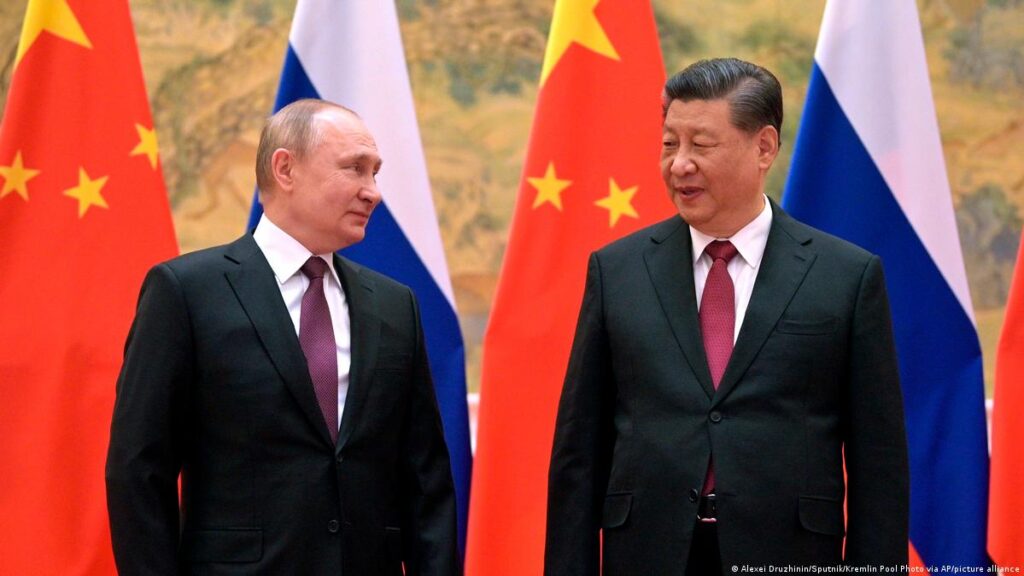
A week after being re-elected as China’s President, Xi Jinping made a momentous move by acting as a mediator in the unexpected rapprochement between Saudi Arabia and Iran. Many see the move as a new level of ambition for Mr. Xi, who is attempting to project himself as a global statesman in the escalating rivalry between China and the United States. Mr. Xi can be seen as seizing on the waning American power in the area and presenting China as an alternative to and for future diplomatic solutions by taking credit for brokering a peace deal in the Middle East.
FROM DEBATES TO FIGHTS: The Reality of Politics in Pakistan
Politics in Pakistan has always been a turbulent affair. The country has been plagued by corruption, violence, and political instability for decades. Political parties in the country have often resorted to violence to further their agendas, and this has resulted in a number of deaths, injuries, and property damage.
BEYOND THE BALLOT BOX: The Impact of Social Media on Modern Politics
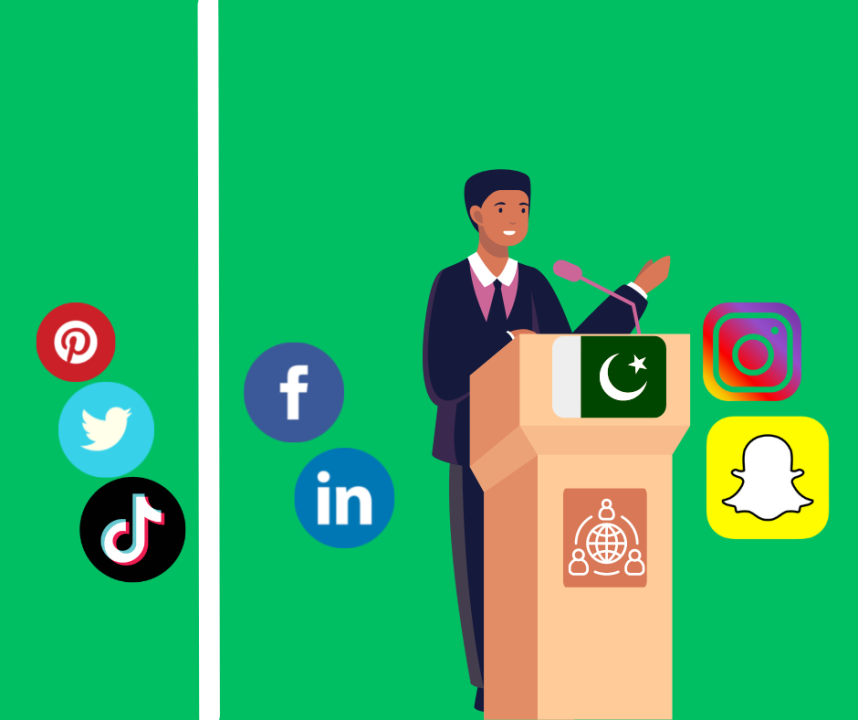
The impact of social media on our daily lives is pervasive and often goes unnoticed. It has transformed our communication patterns and the way others perceive us, granting a platform for expression to all who wish to participate. Additionally, it has revolutionized the political landscape, enabling politicians and citizens to use online platforms to share their thoughts and viewpoints on various candidates and policies.
Climate Change and Its Economic Implications in Pakistan
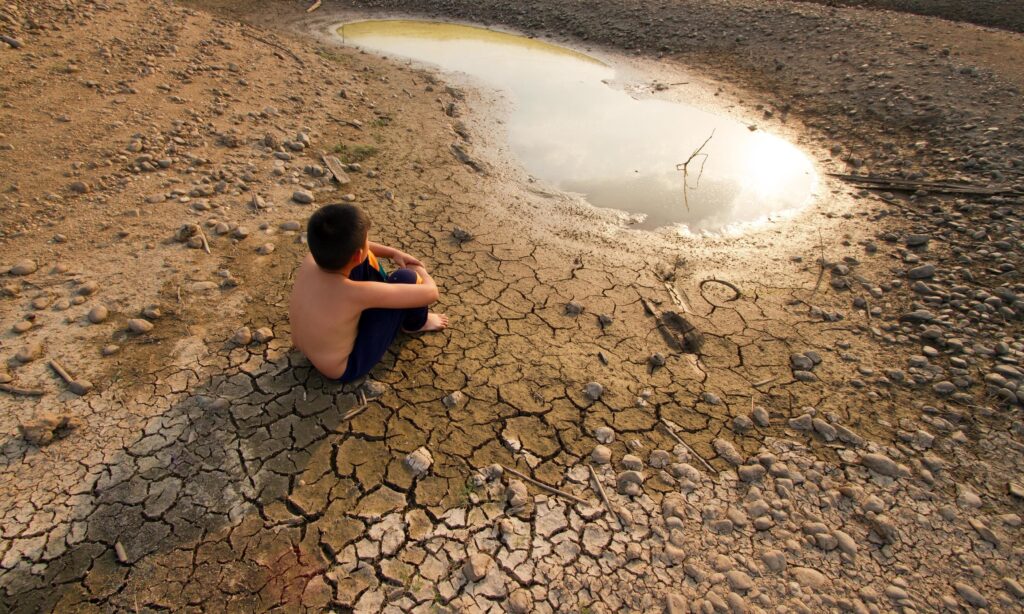
Pakistan, like many other countries around the world, is grappling with the economic implications of climate change. The country is particularly vulnerable to the effects of global warming, including rising temperatures, increased frequency and intensity of extreme weather events, and changes in precipitation patterns.
Rising National Debt and Government Deficits in Pakistan
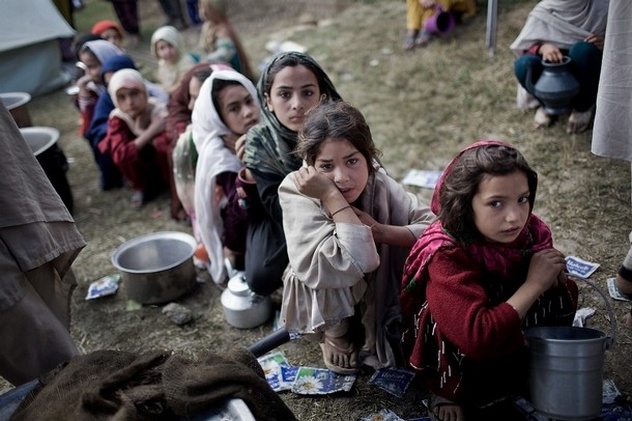
Pakistan has been grappling with rising national debt and government deficits in recent years. This has led to concerns about the sustainability of the country’s finances and the potential impact on the economy. In this article, we will explore the causes and consequences of the rising national debt and government deficits in Pakistan and the potential solutions to address the issue.
Inflation and Rising Prices of Essential Goods

Inflation has been a major concern for the people of Pakistan in recent years, with rising prices of essential goods causing significant financial strain on households across the country. In this article, we will explore the factors contributing to inflation and its impact on the Pakistani economy.
Debt Crisis and Sovereign Debt Defaults
Pakistan has been facing a severe debt crisis in recent years, with the government struggling to meet its financial obligations. This has led to concerns about sovereign debt defaults and their potential impact on the Pakistani economy. In this article, we will explore the causes and consequences of the debt crisis in Pakistan and the potential solutions to address the issue.
Income Inequality and Its Effects on The Economy
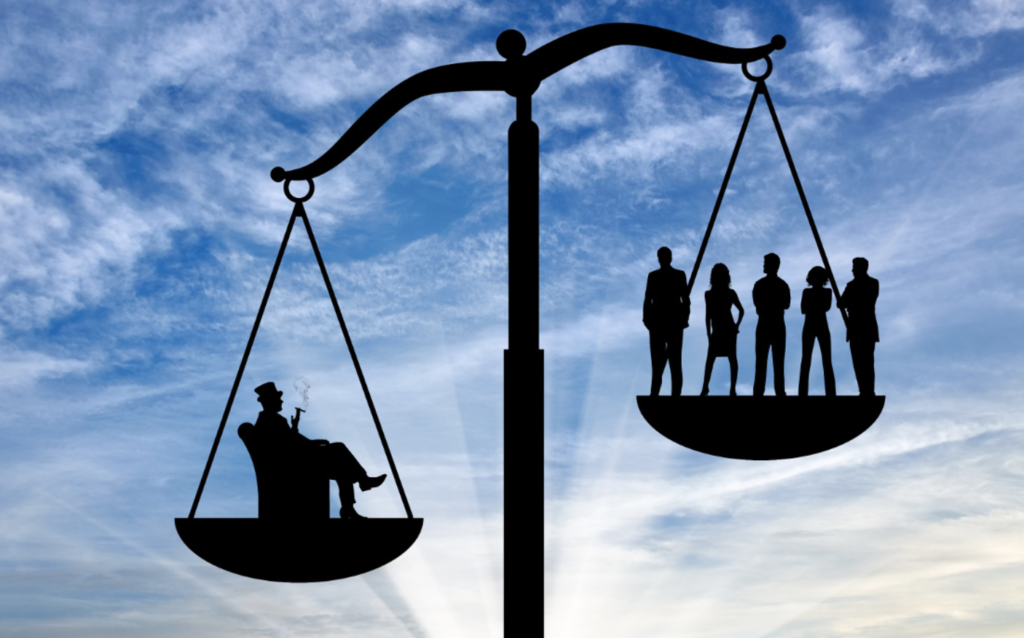
Income inequality has been a longstanding issue in Pakistan, with the gap between the rich and the poor continuing to widen over the years. This article will explore the causes and effects of income inequality on the Pakistani economy.
SMOG | A transboundary problem of India and Pakistan
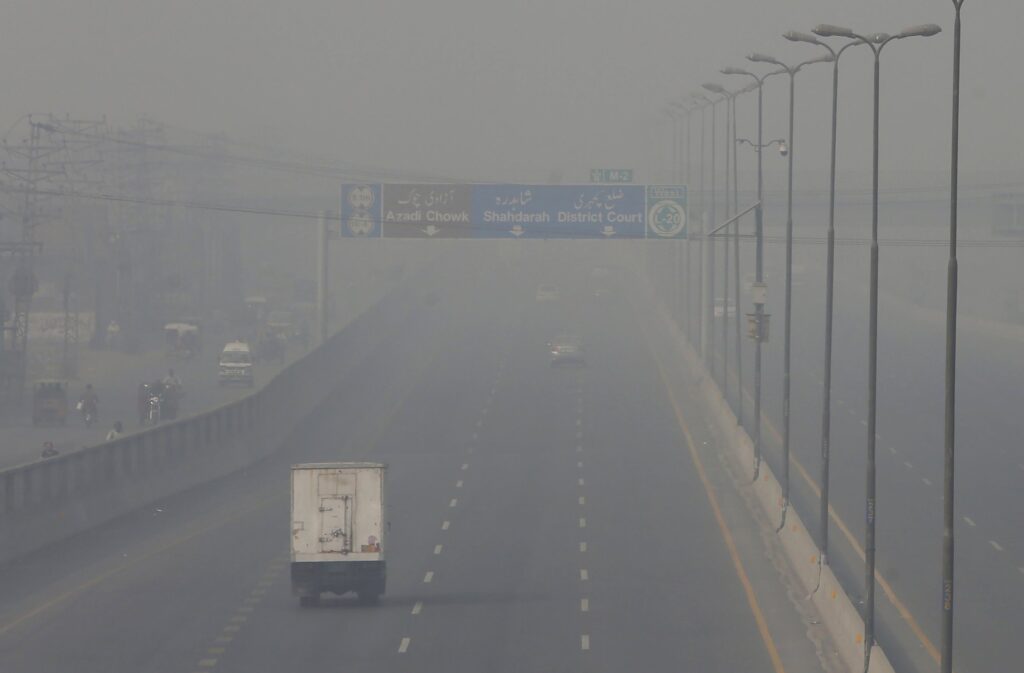
Smog is a major transboundary problem that affects both India and Pakistan, inflicting a heavy burden on the public health and economies of both countries. Smog is a form of air pollution that is caused by a mixture of pollutants, including particulate matter, nitrogen oxides, sulfur dioxide, and ozone. These pollutants are primarily generated by industrial activities, transportation, and the burning of fossil fuels.
How Democracy Can Win in Pakistan
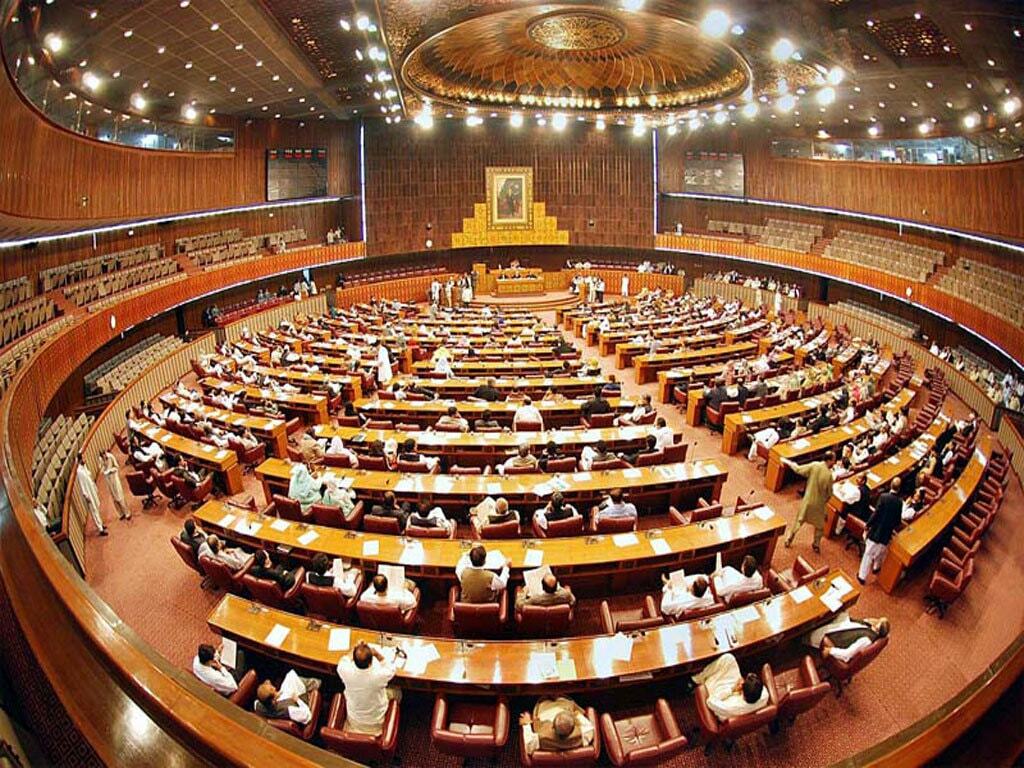
Pakistan has a long and complicated history with democracy. Since gaining independence in 1947, the country has experienced periods of military rule, political instability, and social unrest. However, despite these challenges, many Pakistanis remain committed to the principles of democracy and are working tirelessly to build a more democratic and just society.