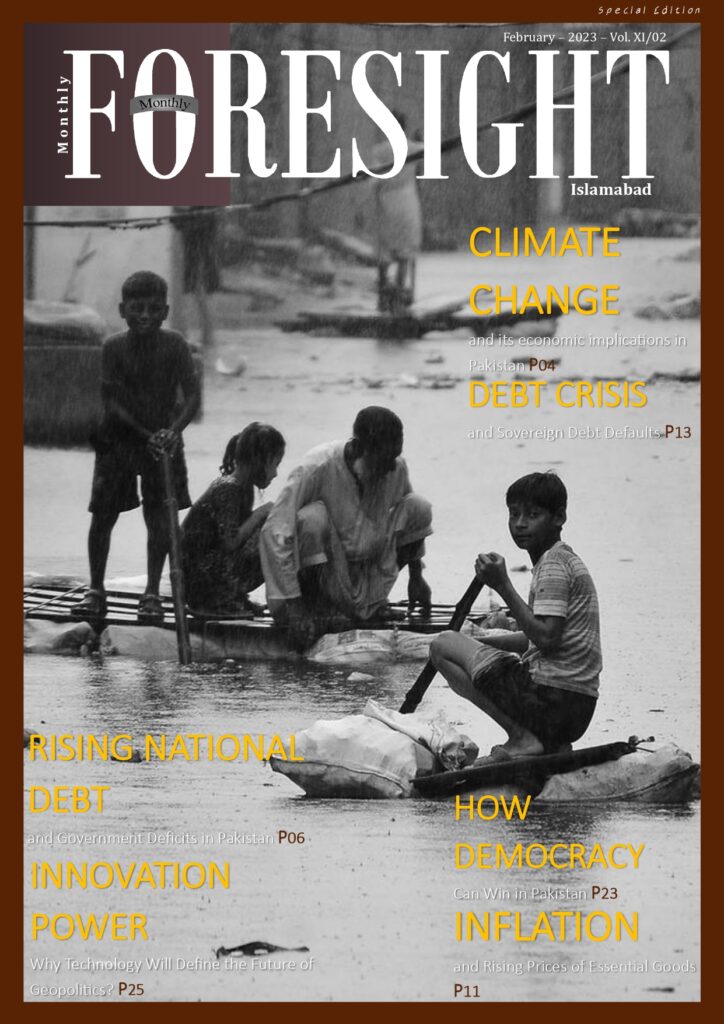
BEYOND THE BALLOT BOX: The Impact of Social Media on Modern Politics
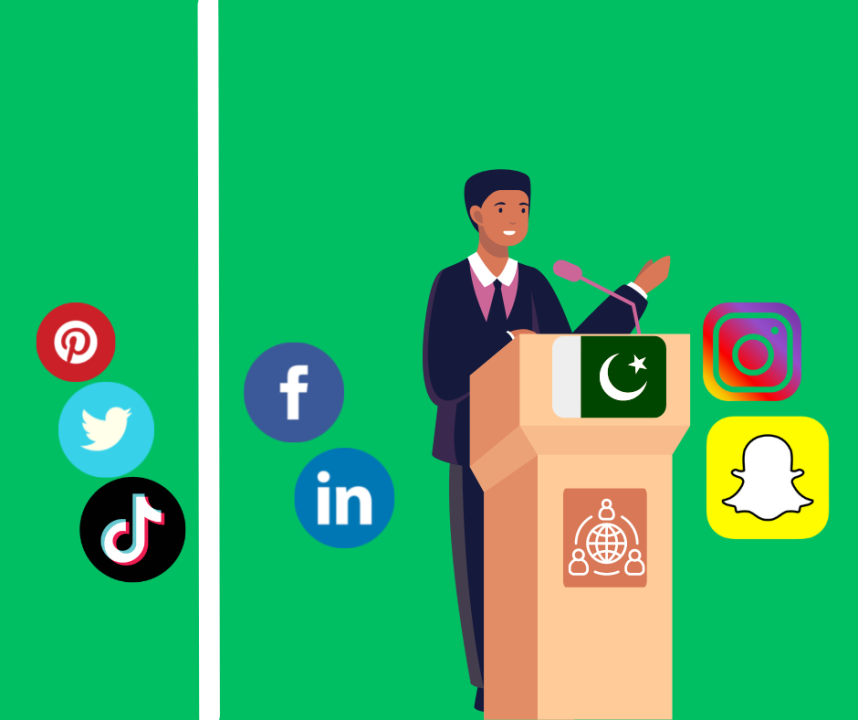
The impact of social media on our daily lives is pervasive and often goes unnoticed. It has transformed our communication patterns and the way others perceive us, granting a platform for expression to all who wish to participate. Additionally, it has revolutionized the political landscape, enabling politicians and citizens to use online platforms to share their thoughts and viewpoints on various candidates and policies.
GILGIT-BALTISTAN and the Geopolitics of the Third Pole
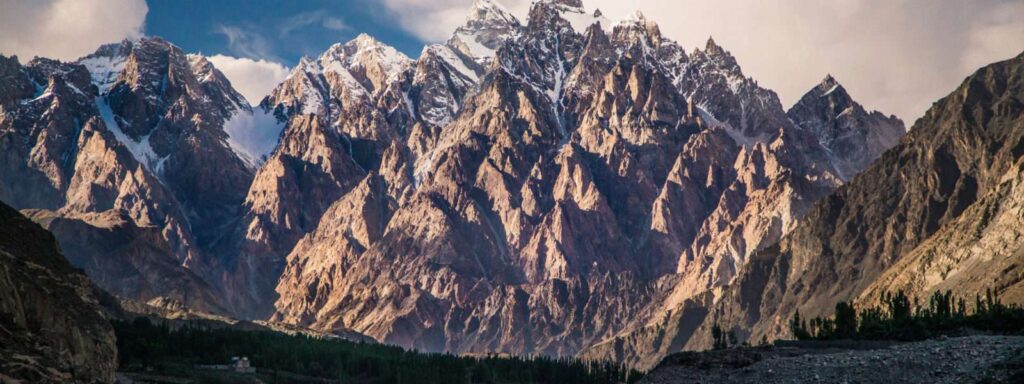
The vast glaciers of the Himalayas, Karakoram, Hindu Kush, and Pamirs, spreading across the highlands of Central and South Asia, are considered to be the globe’s third pole. Interestingly, these mountain ranges converge over Pakistan administered Gilgit-Baltistan (GB) in a unique way, making the region the undisputed core of the third pole. While mega glaciers underscore GB’s significance for regional hydrology and ecology, the region’s ability to connect Asia’s key peripheries makes it a distinctive geospatial entity. Notwithstanding growing climate change concerns and the need for a concerted climate action, India has recently been expressing an intent of confrontation vis-a-vis GB. India’s Defense Minister’s statement, “not to stop until reaching GB” seems to be an extension of the belligerent policies being adopted by the Modi government, especially towards Kashmir and Pakistan. By getting hold of GB, India could attempt to not only disconnect Pakistan and China but also get access to Central Asia and Afghanistan.
Climate Change and Its Economic Implications in Pakistan
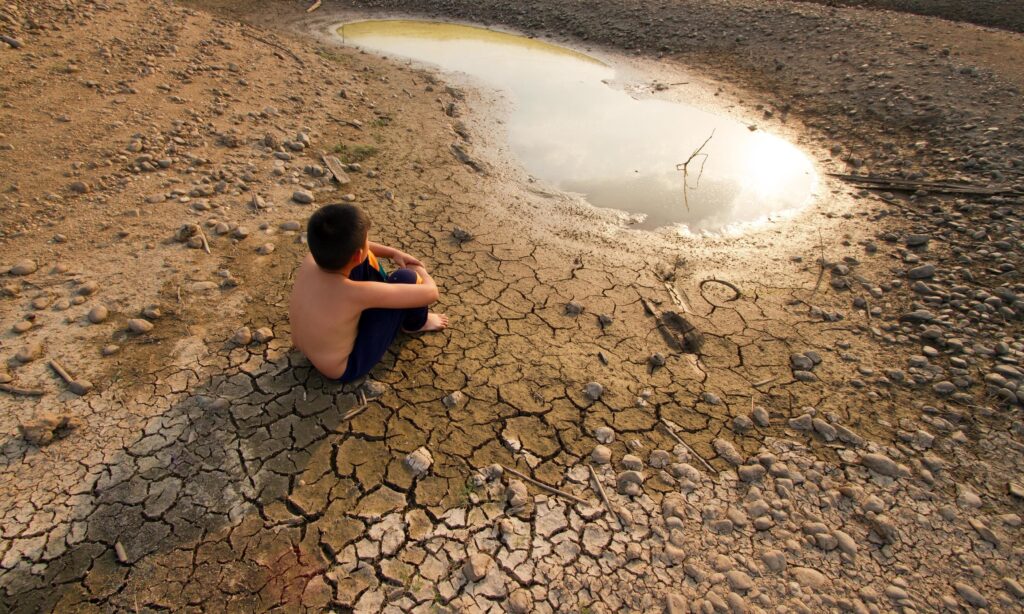
Pakistan, like many other countries around the world, is grappling with the economic implications of climate change. The country is particularly vulnerable to the effects of global warming, including rising temperatures, increased frequency and intensity of extreme weather events, and changes in precipitation patterns.
Rising National Debt and Government Deficits in Pakistan
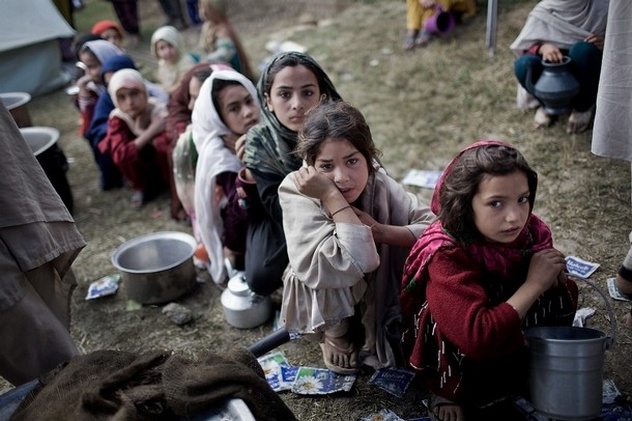
Pakistan has been grappling with rising national debt and government deficits in recent years. This has led to concerns about the sustainability of the country’s finances and the potential impact on the economy. In this article, we will explore the causes and consequences of the rising national debt and government deficits in Pakistan and the potential solutions to address the issue.
Inflation and Rising Prices of Essential Goods

Inflation has been a major concern for the people of Pakistan in recent years, with rising prices of essential goods causing significant financial strain on households across the country. In this article, we will explore the factors contributing to inflation and its impact on the Pakistani economy.
Debt Crisis and Sovereign Debt Defaults
Pakistan has been facing a severe debt crisis in recent years, with the government struggling to meet its financial obligations. This has led to concerns about sovereign debt defaults and their potential impact on the Pakistani economy. In this article, we will explore the causes and consequences of the debt crisis in Pakistan and the potential solutions to address the issue.
Income Inequality and Its Effects on The Economy
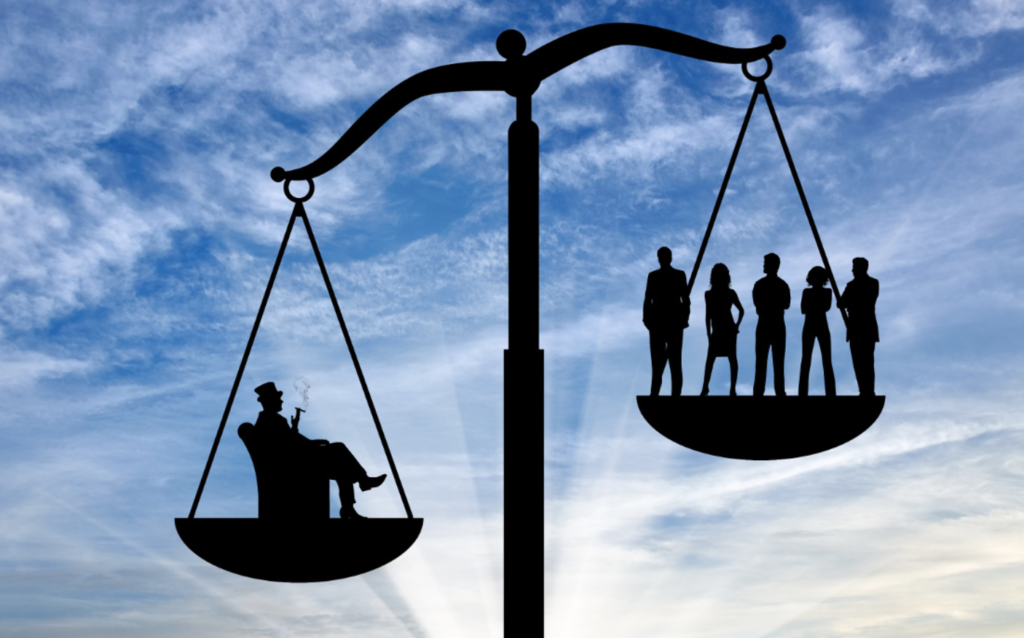
Income inequality has been a longstanding issue in Pakistan, with the gap between the rich and the poor continuing to widen over the years. This article will explore the causes and effects of income inequality on the Pakistani economy.
How Democracy Can Win in Pakistan
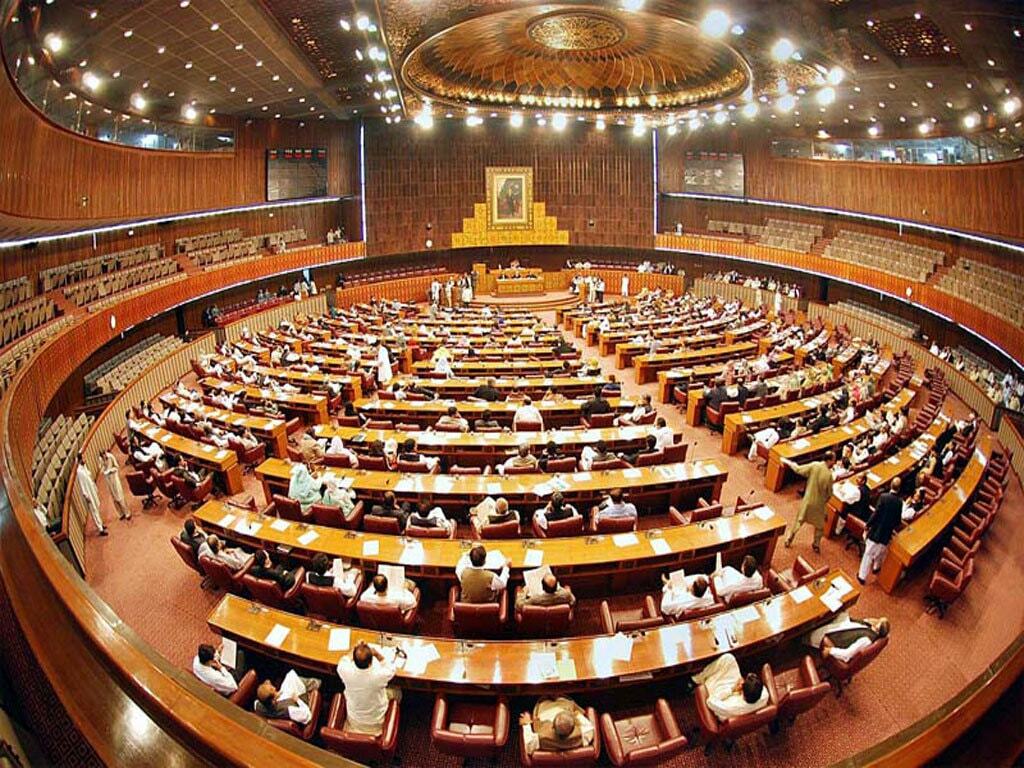
Pakistan has a long and complicated history with democracy. Since gaining independence in 1947, the country has experienced periods of military rule, political instability, and social unrest. However, despite these challenges, many Pakistanis remain committed to the principles of democracy and are working tirelessly to build a more democratic and just society.
The FORESIGHT Magazine – February 2023