
.
A year after the bloodshed in Pahalgam, the questions have not gone away. If anything, they have only sharpened. Twenty-six lives were lost in April 2025 in one of the deadliest attacks in the disputed region in decades. From the outset, India moved with striking speed. Within minutes, an FIR was registered and blame was pinned on Pakistan without the benefit of investigation or forensic clarity.
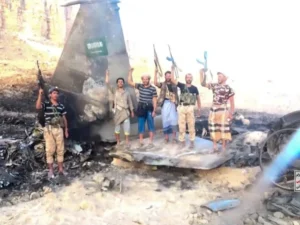
That haste has remained the defining feature of the episode. Despite repeated assertions, New Delhi has yet to place verifiable, credible evidence before the international community. Islamabad’s offer for a neutral, transparent probe was dismissed, a decision that continues to raise uncomfortable questions about intent. The sequence that followed suggests that the attack was treated as a strategic opening. Within days, India escalated across multiple fronts. The unilateral suspension of the Indus Waters Treaty signalled readiness to weaponise water. Military strikes soon followed, pushing the two nuclear-armed neighbours to the brink. An apparent attempt to establish a new normal, where unverified allegations could justify cross-border action, proved counterproductive. Pakistan’s response was swift and calibrated. The downing of multiple Indian aircraft during the May 2025 exchanges altered the battlefield narrative and punctured the aura of unilateral dominance that New Delhi appeared keen to project. The episode, in turn, elevated Pakistan’s standing in diplomatic and strategic circles internationally, positioning it stronger within the region. Equally troubling has been the information war that accompanied the crisis. Sections of the Indian media amplified claims that were neither independently verified nor diplomatically substantiated.
Over the years, a pattern has emerged where allegations are swiftly levelled against Pakistan, often without publicly verifiable proof, followed by attempts at escalation. Each time, however, the response has been met with a befitting counter-response, reinforcing a reality that coercive signalling in South Asia does not go unanswered. If there is a lesson to be drawn, it lies in the futility of trying to construct precedent through unverified claims.