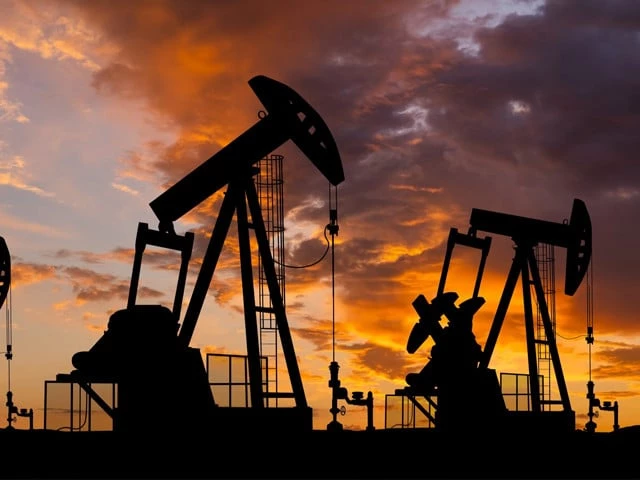
Oil prices recovered ground on Tuesday after settling down more than 2% in the previous session, with investors assessing the impact of the latest US sanctions against Iran.
Brent crude futures rose 27 cents, or 0.3%, to $92.44 a barrel, while US West Texas Intermediate crude was up 37 cents, or 0.4%, at $85.38.
Both contracts settled lower on Monday, with US crude oil falling to a one-week low on profit-taking after prices rallied over the previous two weeks.
“The market seems largely unfazed by Washington’s push for tighter economic pressure on Iran, with traders treating the US effort to nudge partners away from Iranian trade as marginal rather than market moving,” said ING commodity strategists in a note on Tuesday.
US Treasury Secretary Scott Bessent on Monday unveiled an expansion of sanctions to cut off Iran’s economic lifeline, to force an end to the war between them, telling countries they would need to sever their business ties or risk being cut out of the dollar-based financial system.
However, he declined to identify the countries that would be targeted or reveal when those penalties would take effect, saying he would instead provide them time to comply with the new directive.
While US Defence Secretary Pete Hegseth said on Monday the US would not rule out using military force against Iran, the country is turning towards more economic coercion, which analysts said removed concerns about threats to Middle Eastern oil supply because of the war.
Read: Govt raises petrol price by 39 paisas, HSD by Rs2.40 per litre for Aug 25
“Markets appear to be pricing economic pressure as a lower-risk path for physical supply than kinetic action, which is why the initial reaction was for oil to move lower rather than spike higher,” said Tim Waterer, chief market analyst at KCM.
However, he warned, “Iran still retains the ability to respond by disrupting shipping, which continues to keep a residual premium in the oil price.”
Highlighting those threats, an oil tanker was struck on Tuesday by an unidentified projectile and disabled about 9 nautical miles (16.7 km) northeast of Oman’s Ash Shishah, the United Kingdom Maritime Trade Operations said.
Iran is still maintaining it should have control over the key Strait of Hormuz, which before the war started in February typically carried cargoes equal to about 20% of global oil use. On Monday, it named 45 tankers that had broken its rules on crossing the strait and threatened action against them, including confiscating their cargoes.
The supply disruptions as a result of the US-Israeli war on Iran that started on February 28 have caused countries to draw down their commercial and strategic reserves.
On Monday, the Department of Energy reported stocks of crude oil in the US Strategic Petroleum Reserve fell by about 3.7 million barrels to 289.7 million barrels last week, the lowest since November 1982.